Efficient Garden Tilling and Brush Cutting Solutions

Gardening can be a rewarding hobby, but it often requires hard work and the right tools to achieve the desired results. Whether you are preparing your garden for planting or maintaining it throughout the growing season, efficient garden tilling and brush cutting are essential tasks. In this post, we will explore effective solutions for these gardening challenges, providing you with practical tips and techniques to enhance your gardening experience.
Understanding Garden Tilling
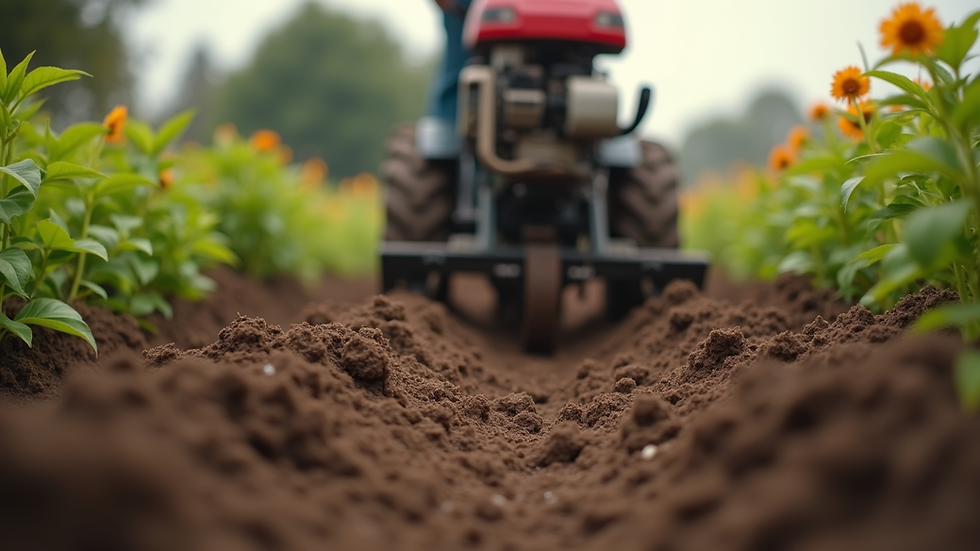
Garden tilling is the process of turning over and loosening the soil to prepare it for planting. This practice is crucial for several reasons:
Aeration: Tilling helps to aerate the soil, allowing air, water, and nutrients to penetrate deeper.
Weed Control: Turning the soil disrupts weed growth, making it easier to manage unwanted plants.
Soil Mixing: Tilling mixes organic matter, such as compost, into the soil, improving its fertility.
Types of Tilling Equipment
There are various tools available for tilling, each suited for different garden sizes and soil types. Here are some common options:
Hand Tiller: Ideal for small gardens, hand tillers are lightweight and easy to use. They are perfect for breaking up soil in tight spaces.
Rototiller: For larger gardens, a rototiller can save time and effort. These machines can quickly break up hard soil and prepare it for planting.
Garden Fork: A traditional garden fork can be effective for smaller areas or raised beds. It allows for precise control and is great for mixing in organic matter.
Best Practices for Tilling
To achieve the best results when tilling your garden, consider the following tips:
Timing: Tilling is best done when the soil is slightly moist but not wet. This ensures that the soil breaks up easily without clumping.
Depth: Aim to till to a depth of about 6 to 8 inches. This depth allows for proper aeration and nutrient mixing.
Avoid Over-Tilling: Over-tilling can lead to soil compaction and disrupt the natural ecosystem of beneficial organisms. Limit tilling to once or twice a year.
Brush Cutting Essentials
Brush cutting is another important aspect of garden maintenance, especially in areas where grass and weeds can become overgrown. This process involves cutting down dense vegetation, making it easier to manage your garden space.
Choosing the Right Brush Cutter
When selecting a brush cutter, consider the following factors:
Power Source: Brush cutters can be gas-powered, electric, or battery-operated. Gas models are typically more powerful, while electric and battery options are quieter and more environmentally friendly.
Blade Type: Different blades are designed for various tasks. A metal blade is effective for thick brush, while a nylon line is suitable for lighter vegetation.
Weight and Maneuverability: Choose a brush cutter that you can comfortably handle. A lightweight model will reduce fatigue during extended use.
Techniques for Effective Brush Cutting
To maximize the efficiency of your brush cutting, follow these techniques:
Clear the Area: Before cutting, remove any large debris or obstacles. This will prevent damage to your equipment and ensure a safer working environment.
Use Protective Gear: Always wear safety goggles, gloves, and sturdy footwear to protect yourself from flying debris.
Cut at the Right Height: For optimal results, cut vegetation to a height of about 2 to 4 inches. This allows for regrowth while keeping the area manageable.
Combining Tilling and Brush Cutting
Integrating both tilling and brush cutting into your gardening routine can lead to a more productive and aesthetically pleasing garden. Here’s how to effectively combine these two practices:
Prepare the Area: Start by brush cutting any overgrown vegetation in the area you plan to till. This will make the tilling process easier and more effective.
Tilling After Brush Cutting: Once the area is clear, proceed with tilling the soil. This will help incorporate any remaining organic matter from the cut vegetation into the soil.
Regular Maintenance: Establish a routine for both brush cutting and tilling. Regular maintenance will keep your garden healthy and thriving.
Conclusion
Efficient garden tilling and brush cutting are essential for maintaining a healthy and productive garden. By understanding the tools available, employing best practices, and integrating both techniques, you can create a thriving outdoor space. Remember to choose the right equipment, follow safety guidelines, and maintain a regular schedule for these tasks. With dedication and the right approach, your garden can flourish, providing you with beauty and bounty for years to come.
Now that you have the knowledge, it’s time to get out there and transform your garden into a thriving oasis!


Comments